Specialist SEND education
Live online or face-to-face 1:1 specialist education in the Neurosparx learning room in Wilmslow, at home or in school—including PDA-informed support and carefully paced learning for young people experiencing EBSA/EBSNA.
 neurosparxFeel Safe, Engage, Learn, Thrive
Specialist SEN tutoring and neurodivergent educational support in Wilmslow, Cheshire and online.
We help neurodivergent children and young people feel safe, understood and accepted—and develop the self-awareness, regulation, knowledge, skills and self-advocacy to engage, learn and thrive as themselves.
How Neurosparx can help
Live online or face-to-face 1:1 specialist education in the Neurosparx learning room in Wilmslow, at home or in school—including PDA-informed support and carefully paced learning for young people experiencing EBSA/EBSNA.
EHCP applications, reviews, mediation and tribunal preparation, including educational reports, pupil voice and provision proposals, plus EOTAS application support and personalised package coordination.
Practical, compassionate guidance that helps families understand a young person’s needs and develop supportive approaches to regulation, communication, learning and independence.
Practical, neurodiversity-affirming training that helps schools and professional teams understand needs, reduce barriers and develop supportive, consistent practice.
When school is not currently accessible
Families often come to Neurosparx after attendance or access to learning has broken down. We begin by understanding the barriers—not blaming the child—and build support around safety, trust, autonomy and a realistic route forward.
Demand avoidance is explored in context, rather than treated as defiance. We use collaborative, low-arousal approaches and help families understand how a PDA profile or demand-related distress may interact with anxiety, sensory needs, communication and learning.
Emotionally Based School Avoidance or Non-Attendance is not simply refusal. We identify emotional, sensory, academic, relational and environmental barriers, gather the young person’s views and plan realistic routes back into safe, meaningful learning.
We can help families develop the educational evidence for an Education Otherwise Than At School request, contribute to clear EHCP provision proposals and coordinate a personalised package of education and complementary professional input.
About EOTAS: Education Otherwise Than At School under section 61 of the Children and Families Act 2014 is arranged by a Local Authority through an EHCP where education in a school or college would be inappropriate. Every case is individual. Neurosparx provides educational consultancy and coordination, not regulated legal representation.
What specialist education can include
Every programme is different. Select an area to see how support can be shaped around a young person’s strengths, needs, goals and current capacity.
Individualised teaching across English, maths, science and other curriculum subjects for learners aged 4–17, including Functional Skills and GCSEs, adapted to the learner’s current understanding, interests, communication and regulation.
Exploring the conditions, approaches and resources that make learning accessible, meaningful and manageable for the individual learner.
Practical ways to organise information, build recall, plan revision and approach assessments without losing sight of wellbeing.
Developing personalised systems for planning, starting, sequencing and completing everyday learning and life tasks.
Understanding processing differences and using supportive strategies that reduce cognitive load and make information easier to access.
Helping a young person understand, accept and value their own neurotype, strengths, differences and support needs.
Building the language, confidence and practical tools to communicate preferences, boundaries, needs and reasonable adjustments.
Developing awareness of emotions, interoception and early signs of stress, overload or dysregulation in a safe, non-judgemental way.
Exploring sensory preferences and sensitivities so that environments, activities and regulation strategies can be better matched to the learner.
Building an individual toolkit for noticing, communicating and responding to changing regulation needs, with appropriate adult support.
Understanding the barriers behind avoidance or distress and developing collaborative, low-arousal ways to increase safety, agency and flexibility without relying on forced compliance.
Supporting receptive, expressive and social communication in ways that respect the learner’s authentic communication style.
Exploring relationships, boundaries, repair and mutual understanding without teaching masking or forced compliance.
Learning practical skills through real, purposeful activities such as cooking, shopping, travel, money management and self-care.
Person-centred planning around aspirations, further education, work, community participation, relationships and independent living.
Carefully paced, relationship-led support for Emotionally Based School Avoidance or Non-Attendance, rebuilding safety, confidence and access after absence, burnout or disrupted education.
Clarifying needs, barriers and suitable provision so families and professionals can make better-informed decisions.
Evidence-informed assessment, advice, reports, outcomes and provision proposals to support EHCP planning, applications, reviews and appeals, including EOTAS requests and package coordination.
Helping families understand the young person, reduce conflict, recognise unmet needs and develop realistic, compassionate approaches at home.
Translating a learner’s profile into clear, practical adjustments and consistent approaches for the adults around them.
Specialist education in practice
Real activities help us understand what enables engagement—and create meaningful routes into knowledge, confidence and independence.
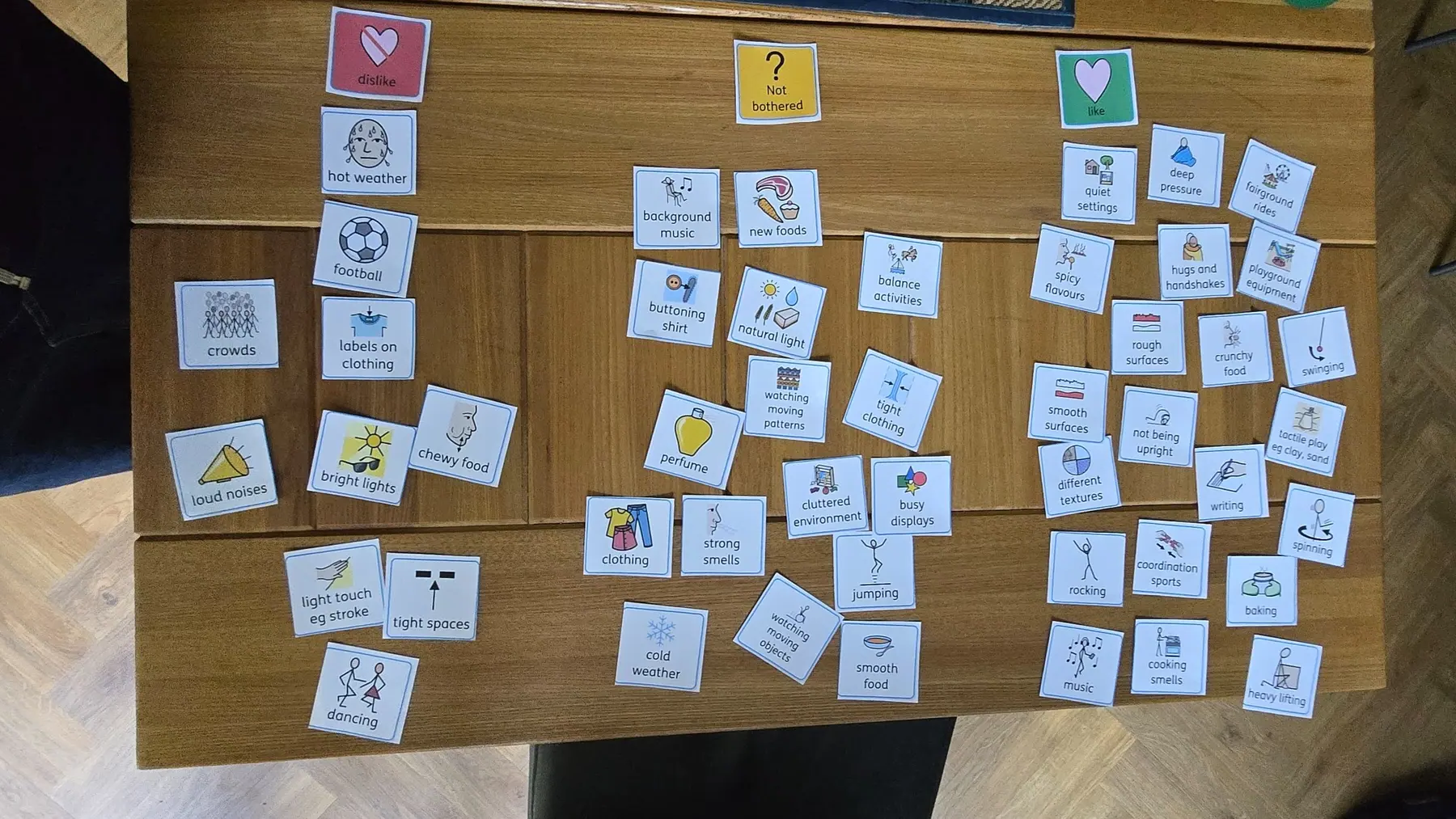
Enabling a young person to explore their sensory sensitivities helps us understand how to create the right learning environment—and helps them begin to recognise and manage their own sensory processing differences.
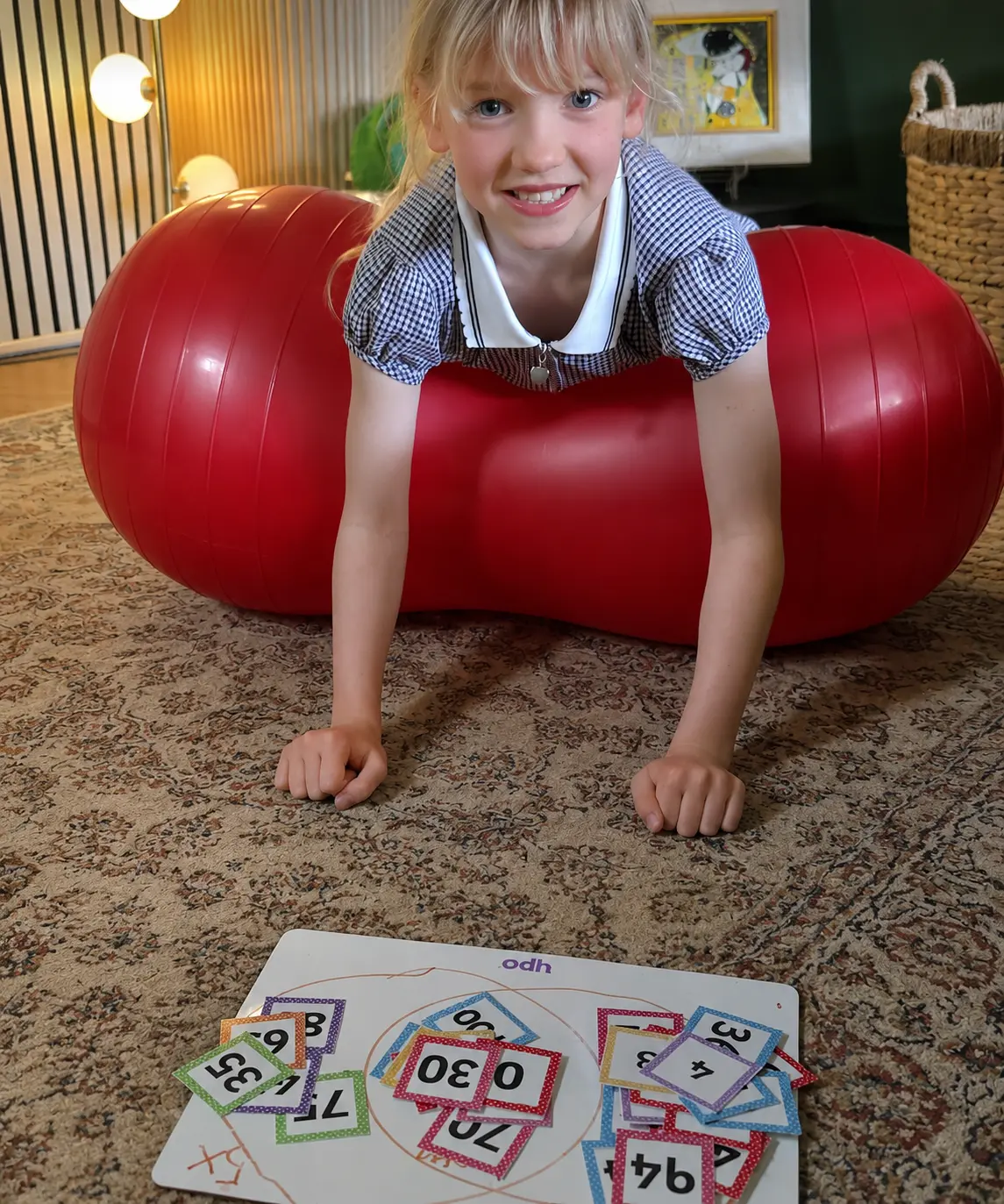
Movement can support regulation, attention and engagement. Learning does not have to mean sitting still.
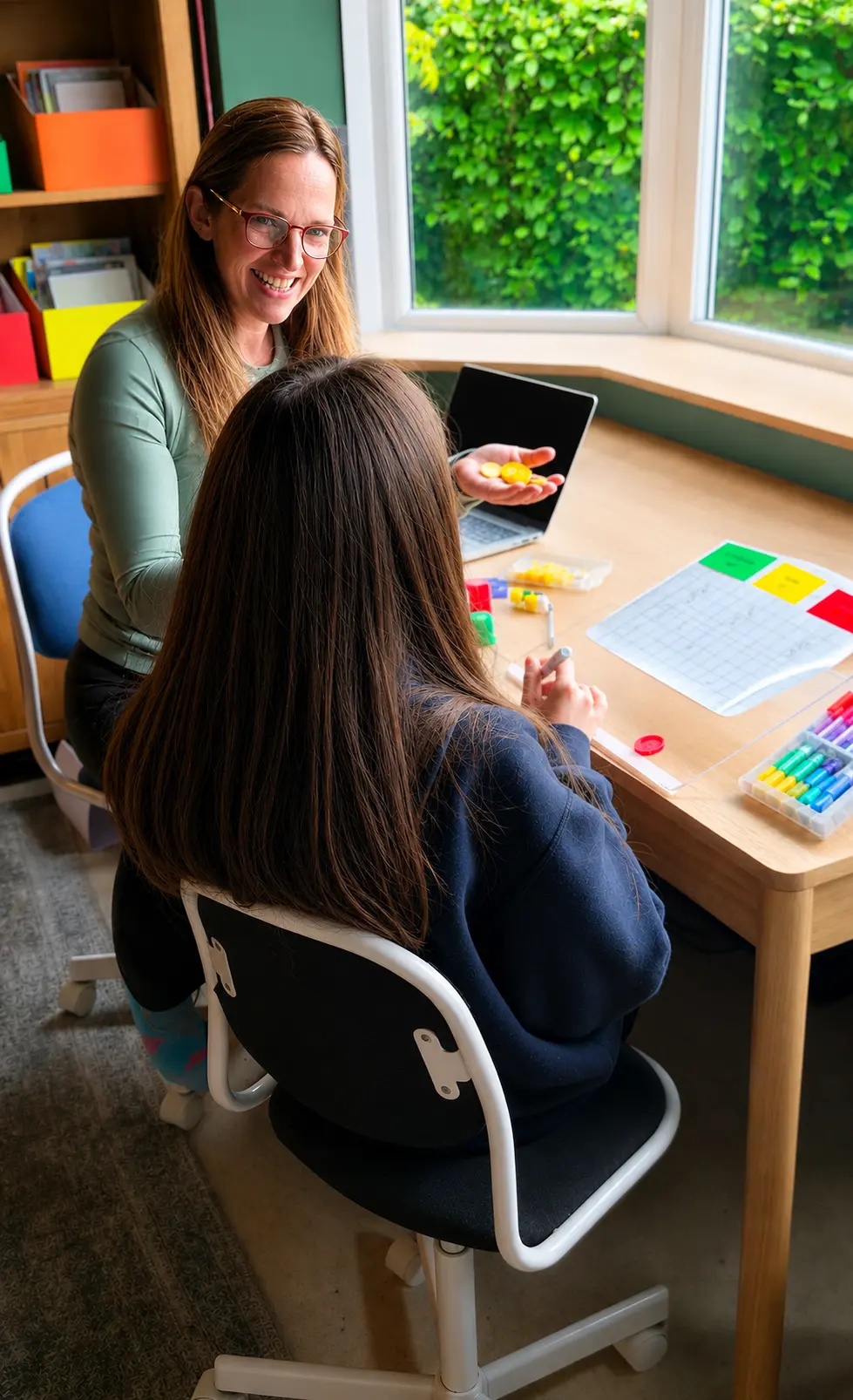
A calm, well-resourced learning space allows teaching to adapt around communication, regulation, interests and need.
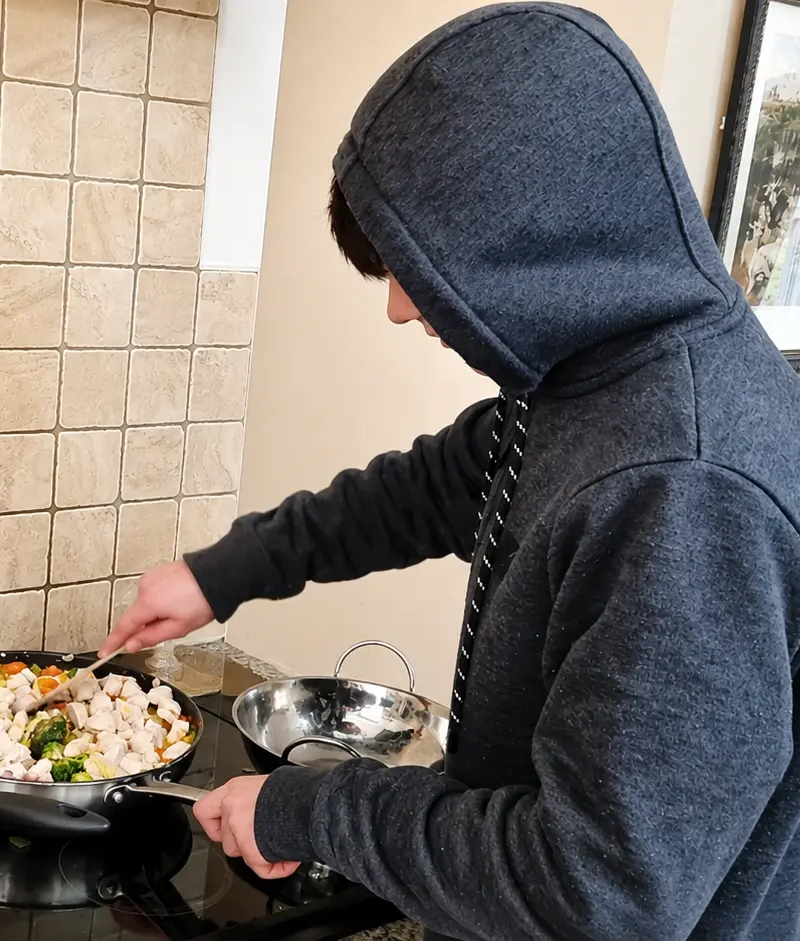
Cooking develops practical independence and provides a meaningful, low-pressure way to apply maths—particularly where direct academic demands create barriers.

Hands-on activities can create authentic opportunities for communication, prediction, problem-solving and scientific thinking.
The Neurosparx approach
Learning is not separate from wellbeing. We work with the whole child—their strengths, interests, communication, sensory processing, regulation and lived experience—to create the conditions in which progress becomes possible.

Our core values
Emotional safety and trusting relationships create the foundation for appropriate challenge, engagement and learning.
Each person is understood and accepted as themselves and helped to understand, accept and value themselves.
Voice and choice are respected, while adults retain responsibility for safeguarding, appropriate boundaries and gradually building capacity to manage necessary demands.
Expectations remain high, but progress is individual. Learning, confidence, independence and achievement should never come at the cost of wellbeing, dignity or identity.
Relationships, environments and approaches should adapt to enable real access, belonging, participation and growing independence. Inclusion is not simply being present, appearing compliant or tolerating an unsuitable environment.
Our vision
“Neurodivergent children and young people feel safe, understood and accepted; understand, value and believe in themselves; and develop the self-awareness, regulation, knowledge, skills and self-advocacy to engage, learn and thrive as themselves.”

About Neurosparx
Neurosparx is led by Chloe Metcalf, an education consultant, specialist educator and former senior leader with 23 years’ experience across mainstream, specialist, alternative provision, adult learning and international education.
Her experience includes Associate Head of a SEMH school, Head of Department in a specialist school, leadership roles in international schools, leading an autism specialist resourced provision, SENDCo roles, and running an adult learning centre where she taught professional teaching qualifications. She combines this educational expertise with the analytical and advocacy skills developed during her former career as a solicitor.
Our work brings this depth of experience together with calm, practical and neurodiversity-affirming support for young people, families, schools and Local Authorities.
“She was pinpointing issues and strategies right from the start that were just like opening a box of possibility when we were totally stuck.”
“She took the time to understand him, to see what works for him, and to adapt the learning so he could succeed.”
“She has helped my son understand himself and the way his brain works in a fun and accessible way.”
Let’s talk